Sita Navami is a sacred and significant festival celebrated to commemorate the birth of Goddess Sita, who is revered as an incarnation of Goddess Lakshmi. This auspicious day is observed every year on the ninth day (Navami) of the Shukla Paksha in the Hindu month of Vaishakh.
According to the Ramayana, King Seeradhwaj Janaka of Mithila was performing preparations for a yajna, seeking the blessing of a child. During this sacred act, he personally ploughed the land. As the plough struck a particular spot, it became stuck in the earth. Upon digging further, a divine vessel was discovered, from which emerged a baby girl — Goddess Sita herself.
Since she appeared from the earth, she came to be known as “Bhoomiputri”, meaning the Daughter of the Earth. Interestingly, the tip of the plough is also referred to as “Sita” in Sanskrit, which inspired her name. King Janaka and Queen Sunayana lovingly embraced her as their daughter.
Even today, Punaura Dham in the Sitamarhi district of Bihar is revered as the birthplace of Goddess Sita. This sacred site holds immense historical and spiritual significance, attracting thousands of devotees each year on the occasion of Sita Navami.
According to ancient scriptures, observing a fast on this day and worshipping Lord Rama and Goddess Sita grants the merit equivalent to sixteen great donations (Mahadaan). It is believed to bring happiness, prosperity, harmony, and self-discipline into one’s life.
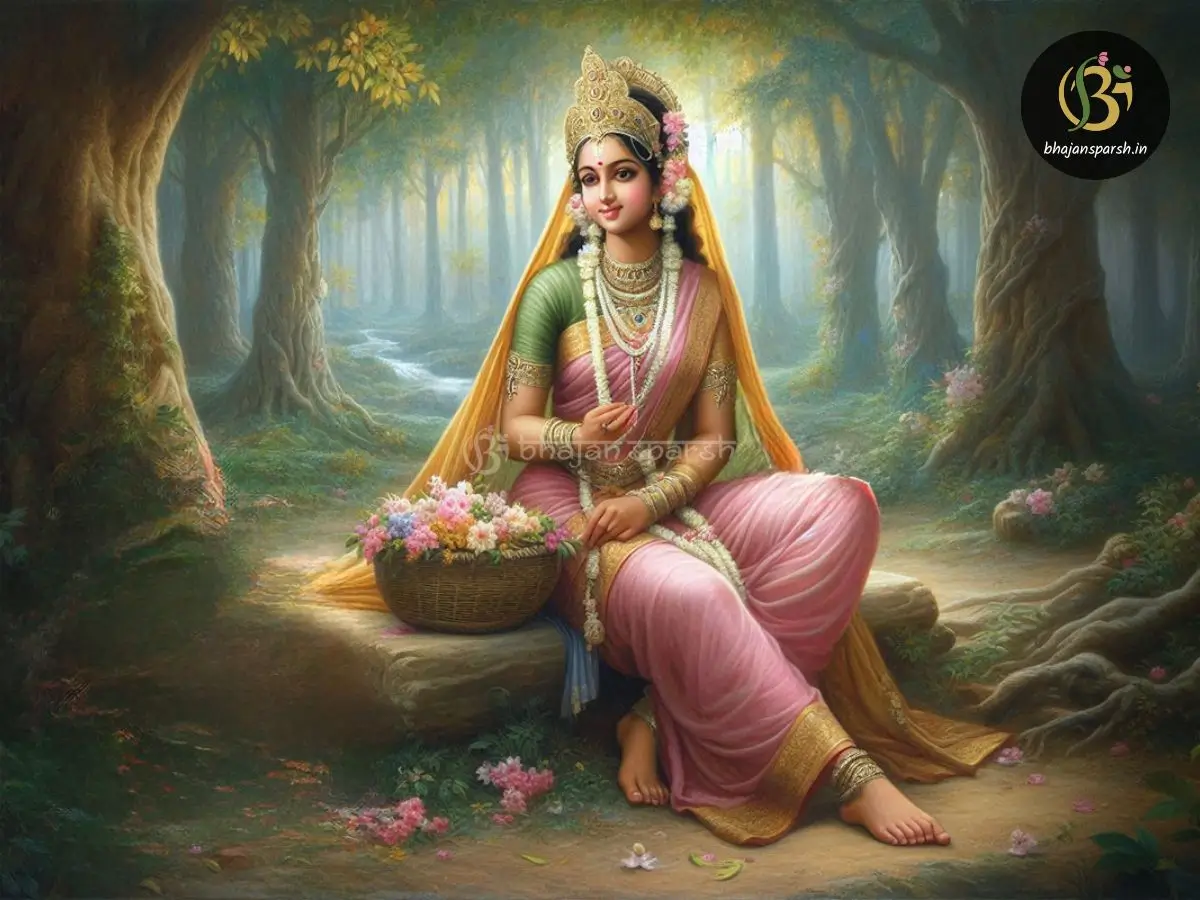
Goddess Sita is regarded as the embodiment of ideal womanhood. She is not only the consort of Lord Rama but also the epitome of an ideal wife, ideal mother, and eternal symbol of feminine virtue. Sita Navami is more than a religious observance — it is a day to remember her timeless story of strength, patience, sacrifice, and compassion.
When and Why is Sita Navami Celebrated?
Sita Navami, also known as Janaki Navami or Sita Jayanti, is a major Hindu festival celebrated on the ninth day (Navami Tithi) of the Shukla Paksha (waxing phase of the moon) in the month of Vaishakha. It is believed that on this day, Goddess Sita made her divine appearance on Earth.
The Vrat Katha (Story of the Vow) of Sita Navami
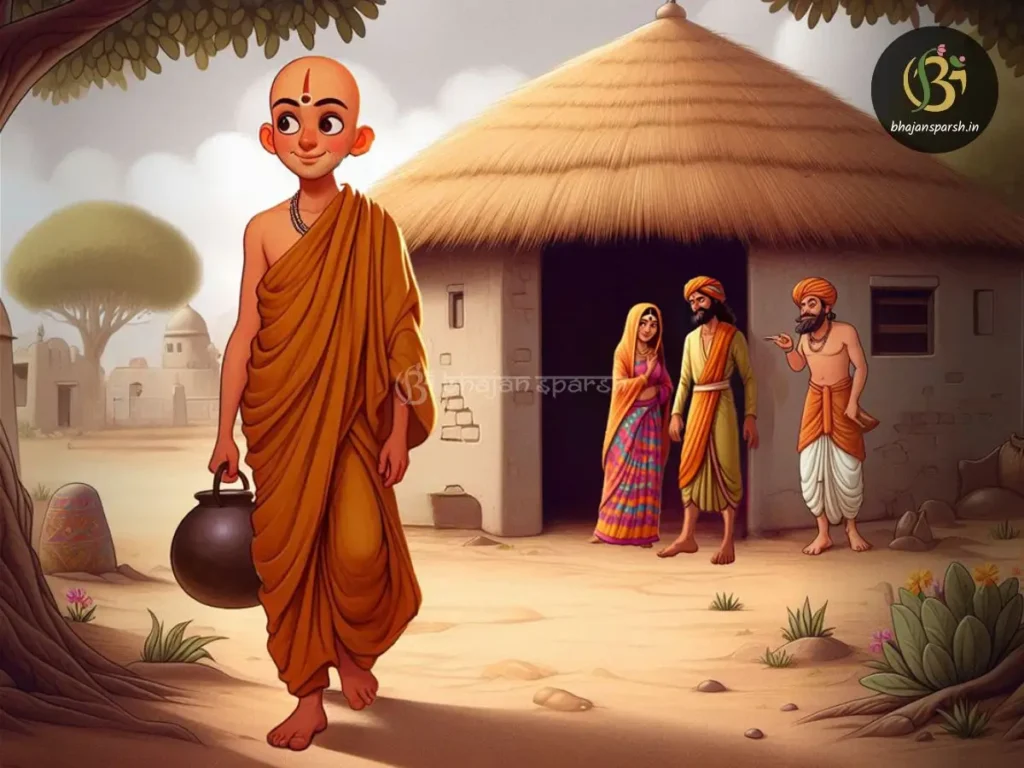
Long ago, in the Marwar region of Rajasthan, there lived a Brahmin named Devadatta, who resided in a small house with his wife Shobhana. Devadatta was a religious and learned man—well-versed in the Vedas and saintly in nature. To make ends meet, he would go from village to village seeking alms.
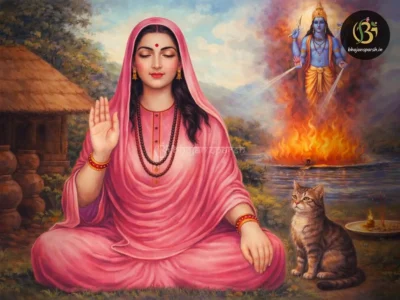
In his absence, Shobhana fell into bad company and became involved in immoral relationships with other men. Over time, the entire village came to know of her misdeeds. The villagers condemned her harshly for betraying her own husband. Enraged and consumed by revenge, Shobhana set the entire village on fire. Tragically, she too perished in the flames.
As a result of her sins, in her next birth, Shobhana was born into a family of outcasts (Chandal) and came to be known as a Chandalini. She suffered greatly in this life—facing extreme poverty, leprosy, and blindness as punishment for her past karma. She wandered from town to town in search of food.
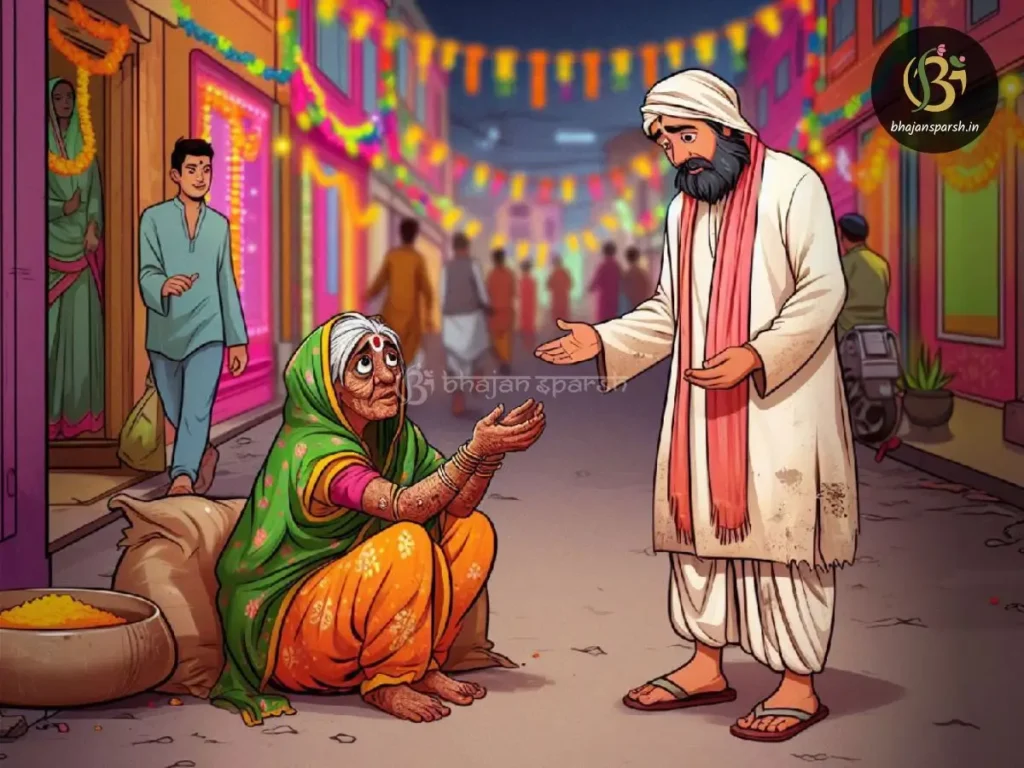
One day, during her search for food, she arrived in Kaushalpuri. By coincidence, it was the day of Sita Navami, and the townspeople were engrossed in fasting and worship. Weakened by hunger and suffering, she pleaded with the people for food in a pitiful voice.
She said, “O kind people, have mercy on me. Please give me something to eat. I am dying of hunger.” One person replied, “Devi, today is Sita Navami. It is forbidden to give food on this day. Tomorrow, after the fast is broken, prasad will be distributed.”
But the Chandalini, overwhelmed by pain and hunger, kept crying out for food. Finally, a compassionate devotee offered her a Tulsi leaf and some water. She took it and moved on. Not far from there, she passed away. Unknowingly, she had completed the fast of Sita Navami.
Due to the merit of observing the fast—even unknowingly—Goddess Sita was pleased and absolved her of all her sins. By the grace of Sita Mata, she attained heaven, where she lived in joy for many years.
In her next birth, she was born as Queen Kamakala, the consort of King Jayasinha of the kingdom of Kamarupa. The power of the vow granted her the memory of her past lives. Influenced by this remembrance, Queen Kamakala built many temples in her kingdom and installed idols of Janaki and Raghunath.
She dedicated the rest of her life in the service of Lord Rama and Goddess Sita, thus making her life truly blessed.
The Significance of the Sita Navami Fast
It is believed that observing the Sita Navami fast and performing rituals with devotion on this day grants a person the merit equivalent to donating the Earth, offering sixteen great charities, and visiting all the holy pilgrimages. Married women observe this fast to pray for their husband’s long life and marital bliss.